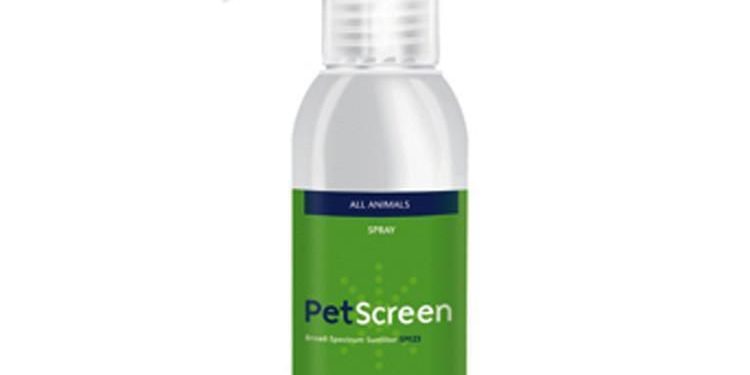
Did you know that light-skinned or white-coloured animals are particularly at risk of skin cancer? The areas on their skin that don’t have fur (ear tips, bridge of nose, lips, and tummies) of your dog are high-risk zones where sunburn can lead to cancer. Luckily, that’s where products like Petscreen SPF23 come in.
With the use of pet-safe sun care products, we can help minimise the risk of our pets contracting skin cancer and sun-related tumors.
Why Not Use Regular Sunscreen?
Many sun protection products for humans contain zinc, which is toxic for animals. It should be avoided at all costs. Zinc oxide irritates the stomach and can also cause vomiting, diarrhea, lack of appetite, abdominal pain, and depression when ingested. Long-term exposure to zing can cause severe intravascular hemolytic anemia, blood in the urine, jaundice, weakness, organ failure, and even death.
More About Petscreen SPF23
Petscreen SPF23 is available online and in stores. We love this stuff because it contains 4 different sun protection agents and is quick drying. With its broad-spectrum protection against UVA and UVB, this sunscreen is safe for daily use on light-skinned pets.
Because most dogs don’t dig being sprayed with sunscreen, it’s best to spray some product into your hand and then apply it to your dog’s skin.
Petscreen SPF23 helps ensure that your furry friend doesn’t burn in the sun. it also helps prevent an array of skin cancers like malignant melanomas, squamous cell carcinoma, and hemangiomas.

Does my dog really need it?
Think about it this way: Some humans are more susceptible to sunburn. The fairer your skin, the higher your risks. Dogs are exactly the same. If your pup is fair-furred, he or she carries a higher risk of getting sunburnt. But this doesn’t mean that dark fur is in the clear. It never hurts to bring out some extra precautions. If you’re about to spend the outdoors with your dogs, dog sunscreen is the best way to prepare for it.
When is the best time to apply dog sunscreen?
Again, human rules come into play where dogs and sunscreen are concerned. Apply some canine sunscreen just before your dog heads outdoors, and make sure to reapply it throughout the course of the day. The sun’s rays are at their most potent between 10 a.m. and 4 p.m. and this is the time during which your dog is most likely to get burnt.
Where should I apply it?
Your dog has a few sun-sensitive areas, which have less fur or no fur at all. The checklist looks a little something like this:
- Nose
- Tips of the ears
- Groin
- Around the lips
- Belly
Be sure to patch test the sunscreen before applying it to your dog’s whole body, and for the love of all things furry, please avoid the eye areas. If your pet doesn’t show any weird reaction to the lotion, feel free to apply it generously to the areas that need coverage. Allow the sunscreen to soak in for a few minutes before exposing your dog to the sun and check to ensure that your pet doesn’t lick the lotion off.
If you’re ever in doubt, the best way to protect your dog from sunburn is to limit the amount of time they spend outside in the sun. doggie hats, goggles and shirts can also be great additions to your sun-defence stockpile.