Last week your kiddo told you all about how his best friend got a goldfish for a pet. And now, you’re pretty much in the same boat. You officially own a pet fish, or at least, you’re about to once the weekend comes around. But how do you get everything set up and ready to go? How do you take care of an aquatic pet? Here’s a crash course!
 Tips for taking care of a pet fish

First, decide on the tank size
If you’re about to be a first-time pet fish owner, investing in a large tank seems like one hell of an issue to deal with. But there are actually plenty of good reasons to buy a larger tank instead of a small bowl. One reason has to do with the filter clogging up or the heater breaking. In the event of any of these situations, the water in a bigger tank remains stable for much longer than it would in a small tank.
Plan every move you’re about to make
Freshwater fish are much easier to maintain than saltwater fish. Naturally, this should be the first stage of your planning: deciding on which species. Go ahead and ask the guys from the pet store for some tips for pre-treating the water. If you don’t want to ask random strangers, pick up a fish care book. You’ll need to learn more about setting up a filter and how to create a healthy environment for your finned friend.
Pick winner swimmers
Neon and cardinal tetras, cory cats, gouramis and zebra danios are best. These small and peaceful guys always do well with first-time fish owners. Goldfish need LOADS of attention, so steer clear.
 Opt for frugal feeding
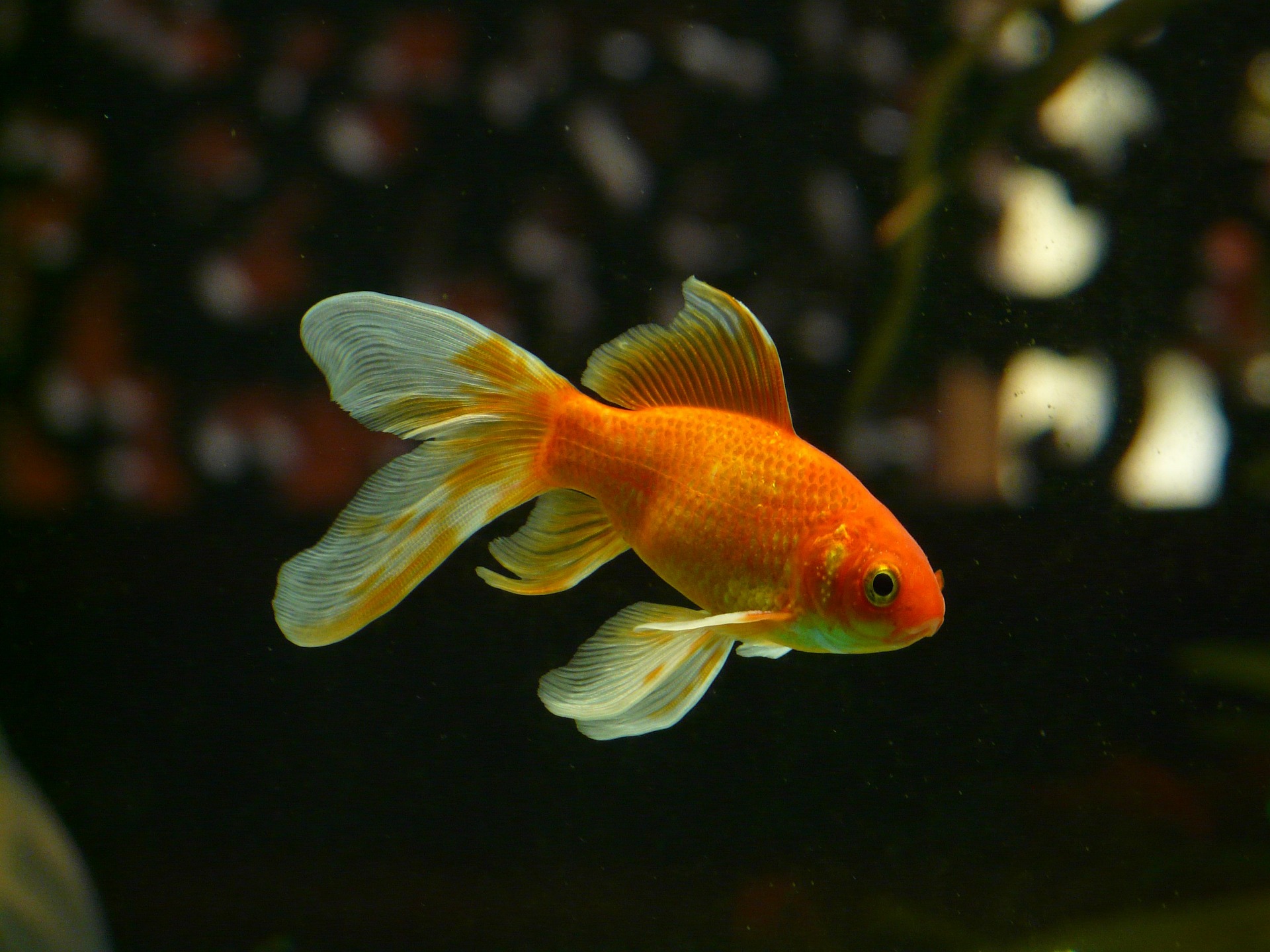
Don’t overfeed your fish. Regardless of whether they eat flakes, pellets, or freeze-dried live treats, too much is never a good idea. Any uneaten bits can make the water in the tank dirty. If your kid insists on handling feedings, make sure they measure out the right amounts every time.
Just go with the flow
Every week, you’ll need to change at least one-fifth of the water in the fish tank. If you can change half of it, even better. But stick to half and no more. You don’t want to disturb the ecosystem balance in the tank and flush out the beneficial bacteria that keeps your fish healthy.